Roof Inspection Checklist for Homeowners
By RoofEnquiry Editorial · Updated 12 March 2026 · 10 min read

Quick answer
- A few minutes from ground level, a couple of times a year, catches most early warning signs.
- Check the roofline, gutters, chimney and external walls from outside; ceilings and loft (if safely accessible) from inside.
- Always do a quick check after any significant storm, regardless of your usual schedule.
- This checklist is for spotting early signs — it's not a substitute for a proper professional inspection.
Why a simple routine beats an occasional deep look
Most roof problems don't appear overnight — they build gradually, which means a quick, regular check tends to catch things earlier than an occasional thorough one. This checklist is deliberately built around things you can do from the ground and from inside the house, in a few minutes, a couple of times a year. Nothing here involves a ladder or accessing the roof itself.
Think of this less as a one-off task and more as a habit, similar to testing smoke alarms or checking a car's tyre pressure — individually quick, collectively useful, and easy to let slip if there's no simple routine attached to it. The rest of this page is built around making that routine as low-effort as possible.
This page deliberately doesn't try to turn you into a roofing expert. The goal is much narrower and more achievable: notice when something looks different to how it usually does, and know roughly what to do about it when that happens. That's a genuinely useful skill to build, and it doesn't require any specialist knowledge to get there.
Most homeowners who keep a roof in good condition over many years aren't doing anything technically sophisticated — they're simply paying steady, low-effort attention over time, and acting reasonably promptly on anything that looks different. This checklist is really just a structured way of doing that consistently, rather than relying on noticing things by accident.
A few simple tools that help
- A smartphone camera — for both spotting detail from a distance (zooming in on a photo often reveals more than the naked eye at range) and for building a photo record over time.
- Binoculars — genuinely useful for a closer look at the roofline without needing to get physically closer or use a ladder.
- A torch — for the loft check, where natural light is often poor even during the day.
- A simple note (a phone notes app is fine) — jotting down the date and anything noticed takes seconds and is far more reliable than relying on memory months later.
None of this is essential — a careful look with the naked eye covers the basics — but a phone camera and a few minutes is genuinely enough to make this checklist meaningfully more useful.
If you're checking a property that isn't your main home — a rental, a holiday let, or a property you're managing for someone else — these same tools are worth having readily available specifically for that purpose, since you may be doing this check less frequently and with less day-to-day familiarity with the property's normal condition.
There's no need to buy anything specifically for this checklist — most households already own everything on this short list, and the checklist is deliberately designed around that. If you're tempted by a specialist roof-inspection gadget or a drone purely for this purpose, it's worth weighing the cost against how rarely you'd actually use it; for the vast majority of homes, a phone camera and a careful look does the job perfectly well.
Building it into a routine you'll actually keep
The single biggest reason well-intentioned checklists don't get used is that they rely on remembering to do them. Attaching this one to something you already do regularly makes it far more likely to actually happen.
- Tie it to clock-change weekends — the UK's daylight saving changes in spring and autumn are a natural, memorable trigger twice a year.
- Add a recurring reminder to your phone calendar, set for a specific weekend each season rather than a vague intention to "get round to it".
- Pair it with another seasonal task, such as bleeding radiators before winter or clearing garden debris in autumn — piggybacking onto an existing habit tends to work better than creating a standalone one.
- Keep the whole thing low-friction — this checklist is deliberately built to take minutes, not hours, so there's no need to overcomplicate it into a bigger task than it needs to be.
If you share the property with a partner, housemate or family member, splitting the routine between you — one person doing the outside check, another the inside — can make it feel even more manageable, and gives two sets of eyes on the property rather than one.
A seasonal routine
Suggested seasonal checks
| When | Focus |
|---|---|
| Early autumn | Clear gutters before leaf fall gets heavy; check the roofline before winter weather arrives |
| After any significant storm | Quick ground-level check for displaced tiles, debris, or new staining — regardless of the calendar |
| Early spring | Check for winter damage — freeze-thaw cycles are a common cause of small cracks and loosened mortar |
| Once a year, any time | A fuller loft check (if safely accessible) for daylight, damp, or musty smells |
From the ground, outside
This part takes most people about five minutes. A slow walk around the property, looking up at the roofline from a few different angles rather than just glancing from the front door, is enough to cover it properly.
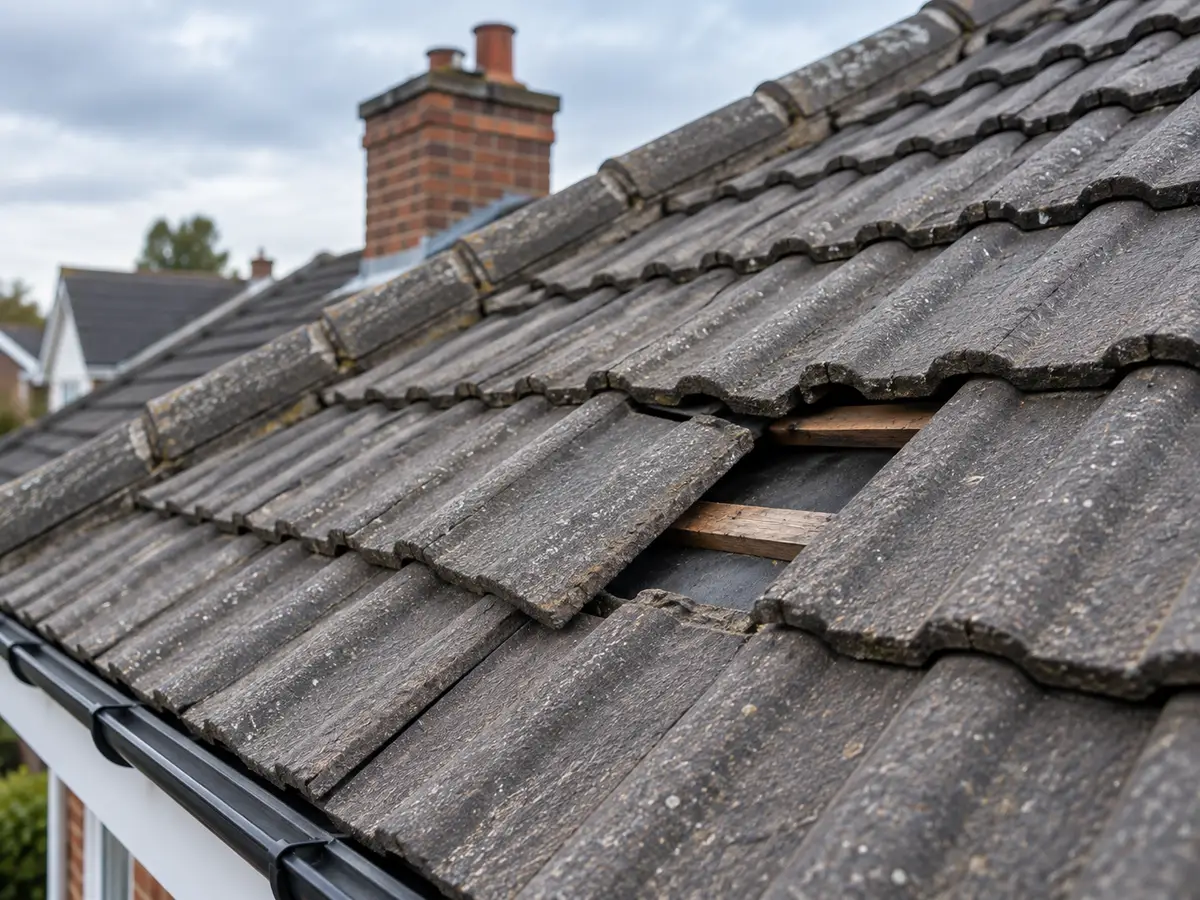
- Scan the roofline for any obviously missing, cracked or slipped tiles or slates.
- Check gutters for sagging sections, overflow marks on the wall below, or visible debris build-up.
- Look at chimney stacks for cracked or crumbling mortar between the bricks.
- Check external walls for damp staining below roof level, which can indicate water tracking down from above.
- Note any moss or vegetation build-up across the roof surface.
- If you have a flat-roofed extension or garage, check (from a safe vantage point, such as an upstairs window) for standing water more than a day or two after rain.
From inside the property
This half of the checklist often catches things the outside check misses, since some early warning signs — a musty smell, a faint ceiling stain — simply aren't visible from the garden at all.
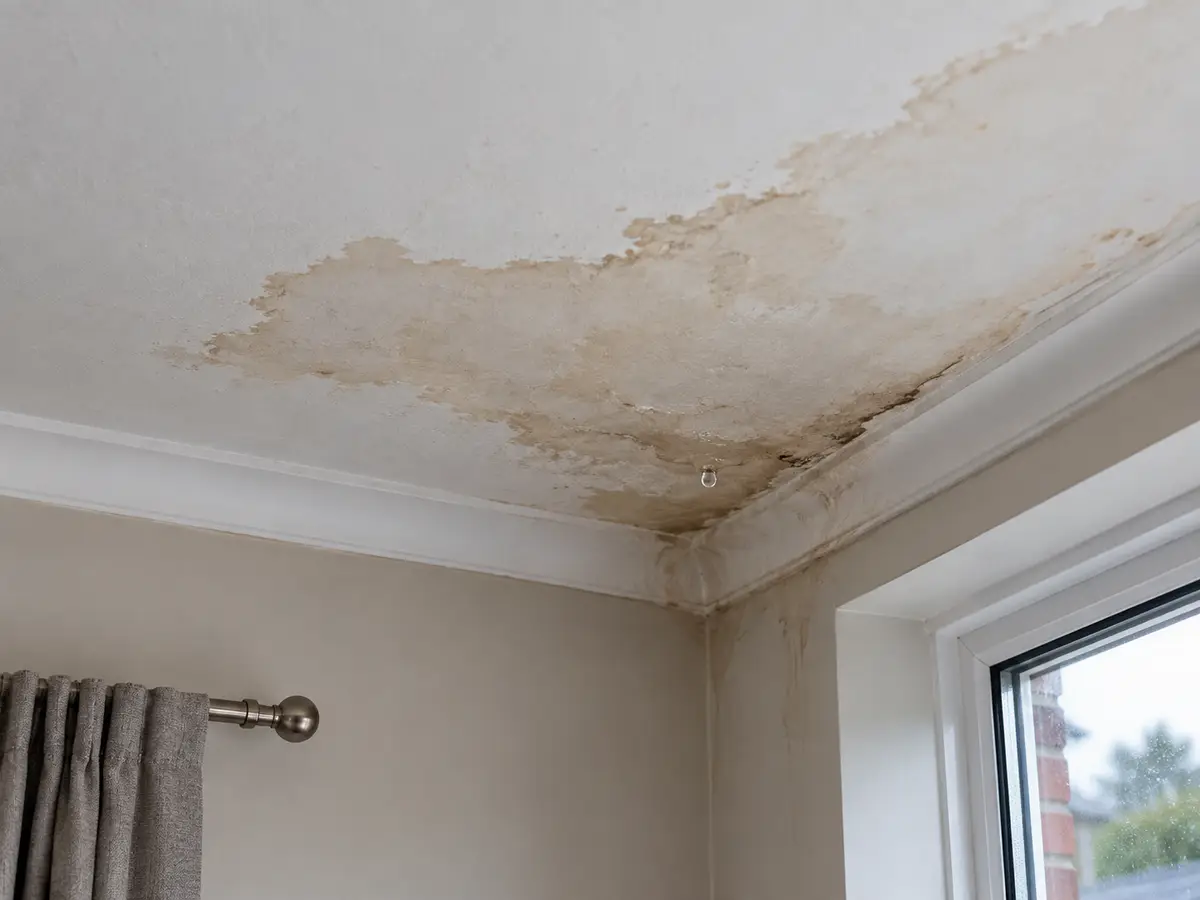
- Check ceilings, especially on the top floor, for discolouration, staining or bulging.
- If you have safe loft access, look for daylight coming through the roof structure, damp timber, or staining on the underside — without walking further than is safe across the joists.
- Note any musty smells in the loft or top-floor rooms, which can indicate trapped moisture even without an active leak.
- Check around chimney breasts for damp patches, which can indicate a flashing problem rather than the chimney itself.
Adjusting the routine for your specific situation
| Situation | What's worth adjusting |
|---|---|
| Older property (50+ years) | Slightly more frequent checks are reasonable, particularly around chimneys and valleys where older detailing is more likely to have degraded |
| New-build property | Less frequent checking is generally fine early on, though it's still worth an occasional look — installation defects, while uncommon, aren't impossible |
| Rented property (as a tenant) | Focus on reporting anything noticed promptly rather than carrying out the full routine yourself — the roof is generally the landlord's responsibility |
| Rented property (as a landlord) | A documented routine is particularly useful, both for maintenance planning and as a record in case of any dispute about property condition |
| Listed building or conservation area | The same checks apply, but any repair work identified may have additional planning considerations — see our {{guide:roof-replacement-what-homeowners-should-know|roof replacement guide}} for more |
None of these adjustments change the fundamentals of the checklist — they're small shifts in emphasis and frequency, not a different approach altogether.
After severe weather
It's worth doing a quick ground-level check after any storm or period of high winds, separately from your regular seasonal routine. Look for obviously displaced tiles, debris in the garden or on the pavement, and any new staining that wasn't there before. This is covered in more detail, including what counts as worth acting on quickly, in our guide to signs a roof needs repair.
It's worth doing this check even if the storm didn't feel particularly severe where you are — localised wind gusts can cause damage in one area while barely being noticeable a short distance away, so "the news didn't mention a big storm" isn't a reliable reason to skip it.
If you do spot something after a storm, submitting a storm damage enquiry promptly — with a photo and the approximate date of the storm — gives a roofing professional useful context, since storm-related damage is sometimes handled with a degree of urgency that routine wear isn't.
Keeping a simple log
Taking a quick photo of your roofline each time you check — even on a phone, even if nothing looks wrong — builds a useful record over time. It makes it much easier to spot a genuinely new problem later, since you have something to compare against rather than relying on memory. A simple running note, even just a few words each time, adds a surprising amount of value for almost no effort.
A simple format you can copy
| Date | What you checked | Anything noticed | Action taken |
|---|---|---|---|
| e.g. 12 Sept | Ground-level roofline + gutters | Nothing unusual | None needed |
| e.g. 3 Nov (after storm) | Ground-level check | One tile looks slightly displaced, front slope | Photographed, monitoring |
| e.g. 15 Nov | Follow-up on above | Tile unchanged, no leak visible inside | Booked a repair enquiry |
A simple version of this — even a note in your phone rather than a formal table — is enough to be useful.
This habit pays off most clearly at exactly the moment you need it: when something does look different, having a record of "this wasn't here three months ago" is far more useful to both you and a roofing professional than trying to remember when you first might have noticed it.
If you'd rather not build a table, even a simple photo album on your phone, named something like "Roof checks," with a new photo added at each check, achieves much the same thing with almost no extra effort — the dates are already recorded automatically by your phone, and scrolling back through it later is a quick way to compare current condition against previous checks.
What a professional inspection adds beyond this checklist
It's worth being clear-eyed about what this checklist can and can't tell you. A professional roof inspection typically involves someone actually examining the roof surface at close range, checking individual tiles and fixings for security, assessing flashing and pointing up close, and inspecting the loft structure — including areas of timber and underlay that aren't visible from a quick torch check at the loft hatch. That level of detail simply isn't achievable from the ground, however carefully you look.
This checklist's real value is in catching the more obvious early signs and building a habit of paying attention, so that when something does need a professional's closer look, you notice sooner rather than later — not in replacing that closer look altogether.
There's also a cost angle worth mentioning. Catching a small problem early, while it's still a straightforward repair, is almost always cheaper than discovering it once it's escalated into something more involved — our roof repair cost guide sets out roughly how that difference tends to play out in practice. None of that means every small mark is worth a callout — it just means a habit of noticing things early, and getting an opinion when something looks genuinely different, tends to pay for itself over the years you own the property.
Why a few minutes now is worth it
It's worth being honest about the trade-off this checklist represents: a few minutes, a handful of times a year, against the alternative of a problem developing unnoticed until it's considerably more expensive and disruptive to fix. This isn't a scare tactic — most roof problems really do start small and gradual rather than sudden and dramatic, which is exactly why a simple routine like this one tends to pay for itself many times over across a roof's working life, simply by catching things a little earlier than they'd otherwise be noticed.
When to bring in a professional
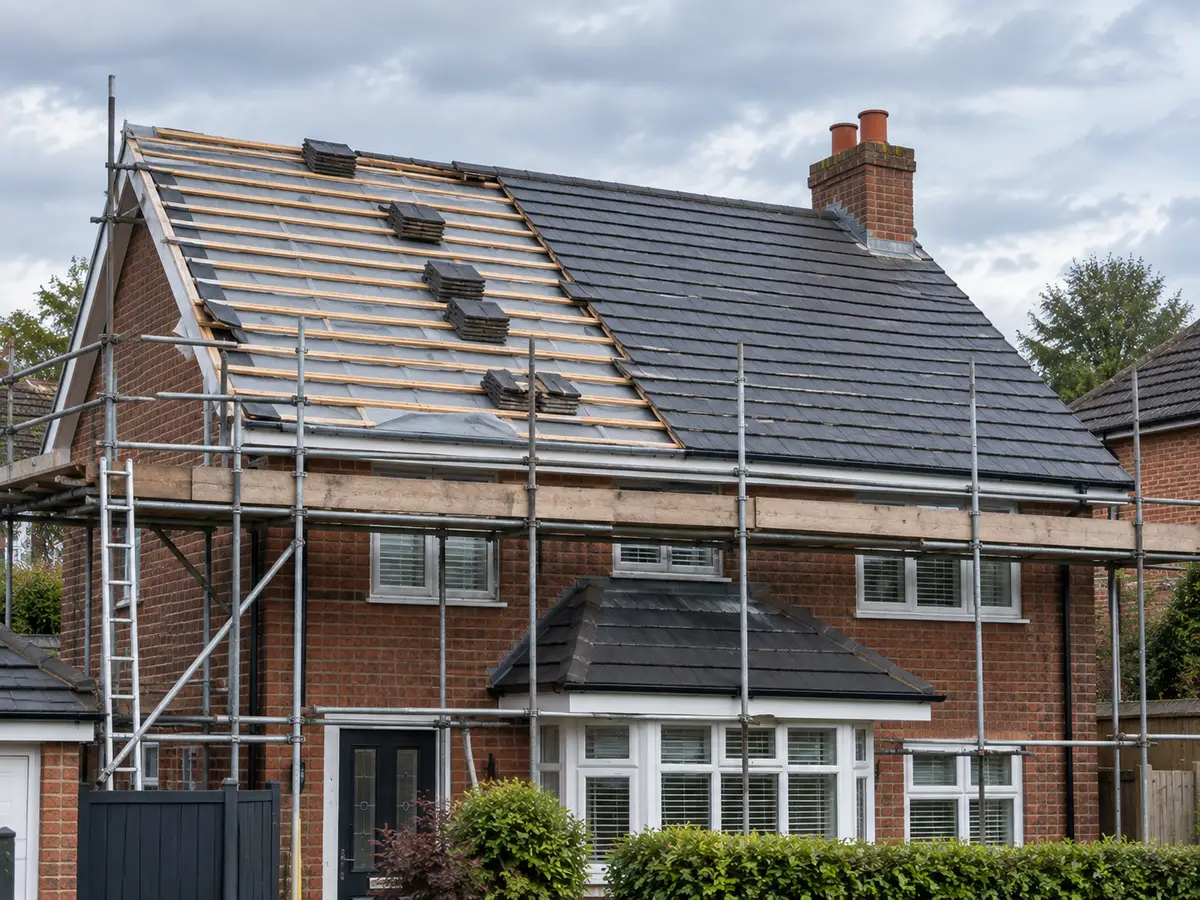
This checklist is about noticing early warning signs, not replacing a proper inspection. If you've spotted anything on this list, if your roof is getting on in years, or if you simply want a professional opinion before a big life event like buying a property or letting it out, a full roof inspection gives you an actual assessment rather than an educated guess.
Frequently Asked Questions
How often should I do this checklist?+
A couple of times a year as a routine, plus an extra check after any significant storm, covers most homes well.
Is it safe to go into the loft to check for these signs?+
Only if you can move safely and confidently across the joists with a torch, without stepping directly on insulation that can hide gaps. If you're not confident doing this, it's fine to skip that part and focus on the ground-level and ceiling checks.
What if I live in a flat and don't have roof access at all?+
The ground-level exterior checks and the ceiling checks from inside your own flat still apply. For shared roof areas, it's worth raising concerns with whoever manages the building.
Does this checklist replace a professional inspection?+
No — it's designed to help you notice early warning signs between professional inspections, not to replace one. If you spot something, or simply haven't had a proper inspection in some years, it's worth booking one.
How long should this checklist actually take?+
Most people can cover the ground-level exterior check in around five minutes, and the interior check in a similar time — so the full routine is realistically a ten-to-fifteen-minute task a couple of times a year, plus occasional storm checks.
Should I keep records even if I never find a problem?+
Yes — a record showing consistent 'nothing unusual' checks is still useful, since it establishes a clear timeline if something does eventually change, and it's genuinely reassuring in its own right.
Is this checklist different for a flat roof property?+
The general principles are the same, but flat roofs benefit from slightly more frequent outlet and drainage checks specifically — see our {{guide:flat-roof-problems-explained|flat roof problems guide}} for flat-roof-specific detail.
What should I do if I find something on this checklist?+
Note it down with a photo and date, then decide based on the severity guide in our {{guide:signs-your-roof-may-need-repair|signs of roof repair guide}} whether it's worth prompt attention or just ongoing monitoring — and submit an enquiry if you're unsure.
Can I use a drone to check my roof instead of ground-level checks?+
Some homeowners do use drones for a closer look without physically accessing the roof, which can be a reasonable supplement to ground-level checks, subject to relevant UK drone flying rules. It doesn't replace the value of a hands-on professional inspection for anything you're concerned about.