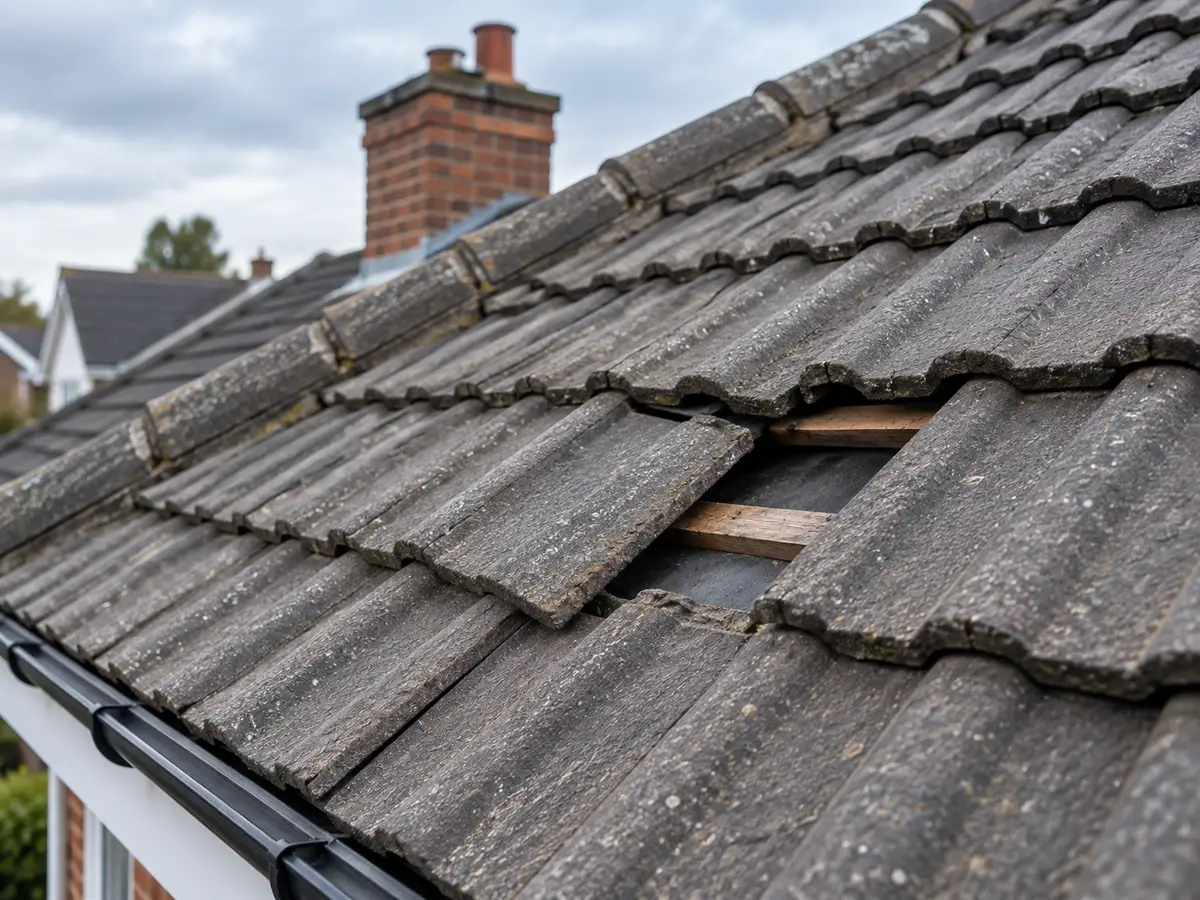
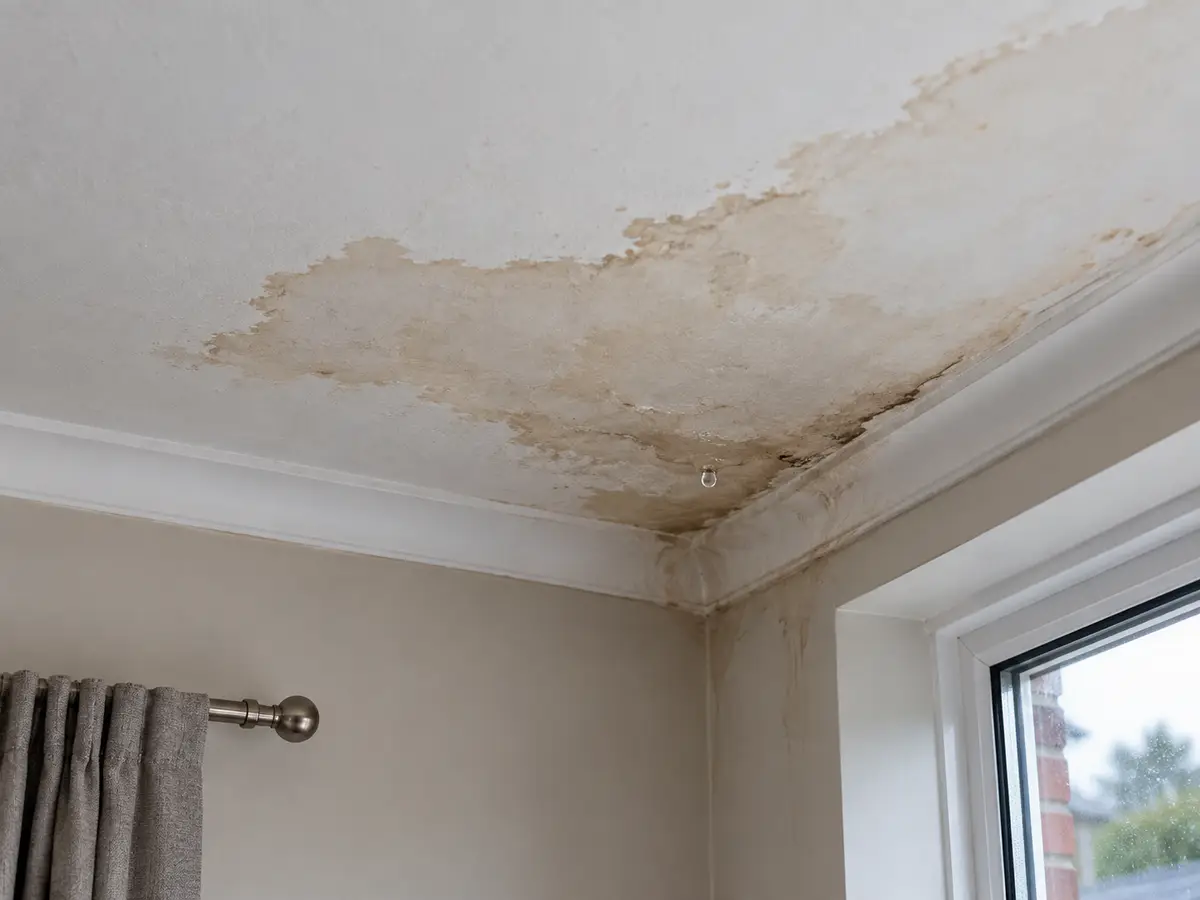
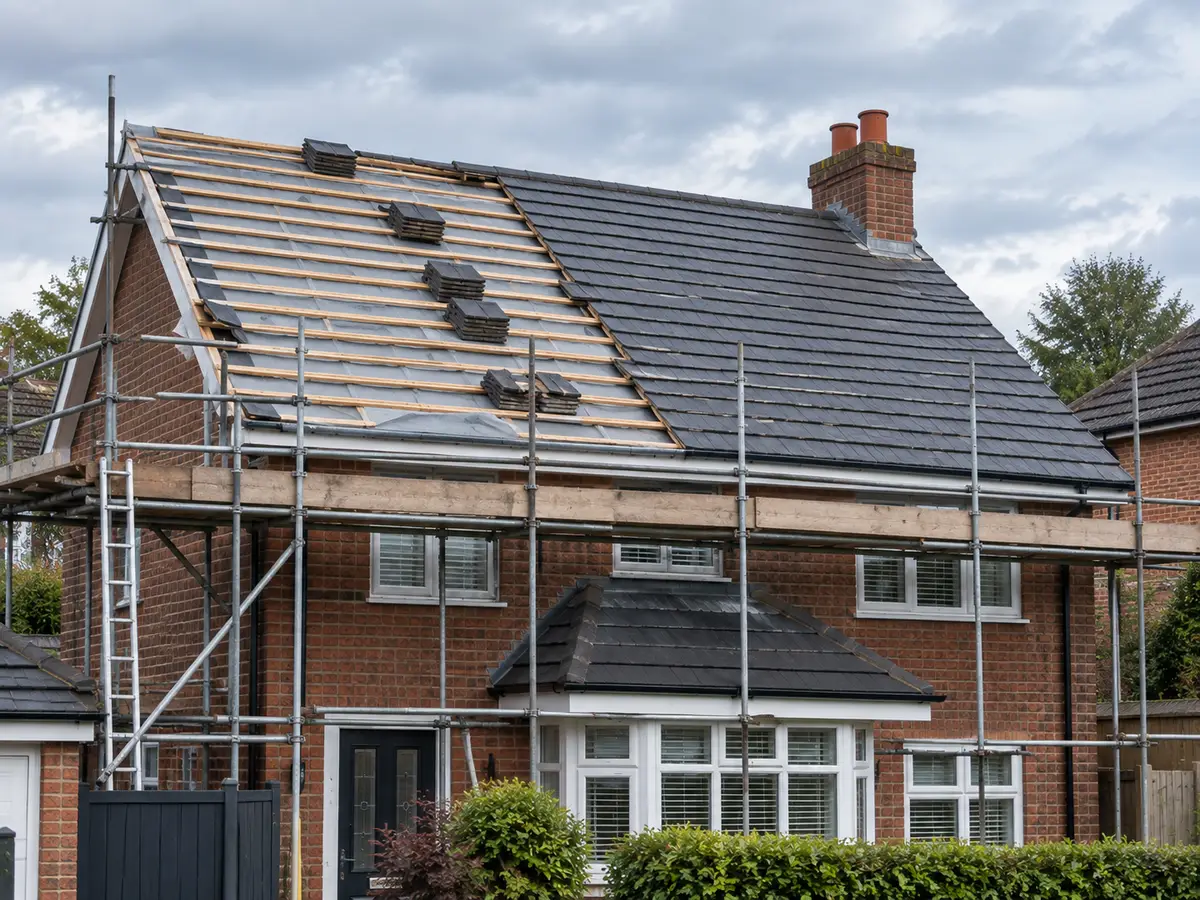
Moss and Algae on Your Roof: Should You Remove It, and How?
By RoofEnquiry Editorial · Updated 23 September 2026 · 11 min read
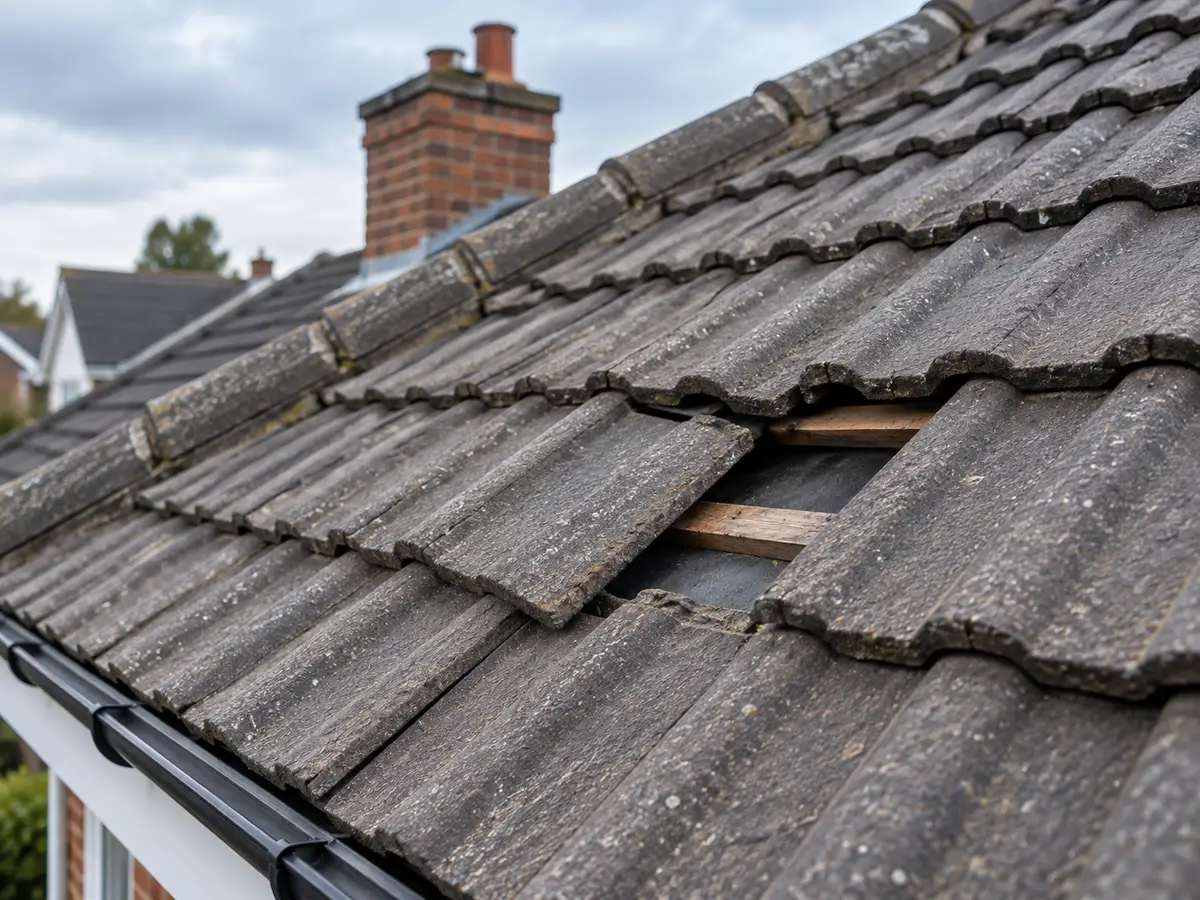
Quick answer
- Dark streaking is usually algae and is mostly cosmetic; cushions of moss are the more genuine concern, because they hold moisture against the roof surface.
- Moss becomes a real problem when it's thick enough to lift tile or slate edges, block valleys and gutters, or retain water through repeated freeze-thaw cycles.
- Pressure washing is one of the most common ways homeowners accidentally damage a sound roof — it can drive water under tiles, strip protective granules, and dislodge fixings.
- Treating moss with an appropriate product and letting it die back naturally, combined with keeping gutters and valleys clear, is generally safer and more effective than aggressive scrubbing or jet-washing.
The roof problem that looks worse than it usually is
Green streaks running down a roof slope, or thick cushions of moss sitting in the shaded valleys, are one of the most visually obvious things that can happen to a UK roof — and also one of the most misunderstood. Unlike a leak or a storm-damaged tile, moss and algae don't announce a clear emergency. They build up slowly over years, which leaves most homeowners asking the same two questions: does this actually matter, and if it does, what's the right way to deal with it without making things worse.
This page is here to answer both properly. The short version is that the growth itself sits on a spectrum from purely cosmetic to genuinely damaging, and the method used to remove it matters at least as much as whether it gets removed at all — because a badly executed clean-up is a well-documented way to turn a sound roof into one that suddenly needs repair work it didn't actually need before.
What's actually growing up there
"Moss on the roof" tends to get used as a catch-all term, but there are three distinct things that commonly show up on UK roof coverings, and they behave quite differently.
Moss, algae and lichen compared
| Growth | What it looks like | How much it matters |
|---|---|---|
| Algae | Black or dark green streaking, usually running down from the ridge or ends of a tile row | Mostly cosmetic — a surface discolouration rather than a structural threat, though heavy build-up can trap a little moisture |
| Moss | Raised green cushions or clumps, often in shaded valleys, north-facing slopes or under overhanging branches | The one worth taking seriously — thick moss holds water against the roof surface and can work its way under tile edges over time |
| Lichen | Crusty, flat patches — grey, yellow or pale green, tightly bonded to the surface | Generally harmless to the roof itself and often best left alone, since it's firmly attached and doesn't retain water the way moss does |
It's genuinely common to have more than one of these on the same roof at once, sometimes even on the same slope, since they're all responding to similar conditions of shade and moisture.
All three are a response to the same underlying conditions: shade, moisture, and a rough enough surface for spores to take hold. North-facing slopes, roofs under overhanging trees, and areas that stay damp longer after rain are consistently the most affected, which is exactly why two otherwise identical houses on the same street can look completely different depending on which way their roof faces and how much tree cover sits nearby.
Is it actually a problem, or just how an older roof looks?
This is the question that actually matters, and the honest answer is: it depends on which of the three above is present, how much of it there is, and where. A roof with light algae streaking and a bit of lichen isn't in trouble — that's simply what most tile and slate roofs in the UK look like after a decade or two of ordinary weather. Chasing a spotless roof purely for appearance is rarely worth the cost or the risk involved in getting up there.
Moss is where the calculation changes, and specifically thick moss rather than a few small patches. A light scattering of moss in a shaded valley isn't an emergency either. What's worth acting on is moss that's built up into a dense mat, particularly anywhere it's sitting directly over a joint between tiles, in a valley where water is meant to be flowing freely, or close enough to the guttering to wash debris straight into it.
How moss actually damages a roof, when it does
- Moisture retention — moss holds water against the roof surface for far longer than an exposed tile would stay wet after rain, and materials that are constantly damp deteriorate faster than materials that dry out normally.
- Freeze-thaw damage — water held in and under moss expands when it freezes in winter, which can gradually crack or lift the edges of tiles and slates it's sitting on, a slow process that's easy to miss until a tile actually fails.
- Rhizoid growth — moss doesn't just sit on the surface; its root-like structures can work into small gaps between tiles or into the surface of some materials, physically prising them apart over time.
- Blocked valleys and gutters — moss that breaks away in clumps, particularly after heavy rain, is one of the more common causes of a blocked valley or downpipe, feeding directly into the problems covered in our guttering guide.
- Added weight when saturated — a heavy, waterlogged moss covering across a large area adds a meaningful amount of weight to a roof that wasn't designed with that ongoing load in mind, though this is a slower, cumulative concern rather than an immediate risk on most domestic roofs.
None of these happen overnight, which is exactly why moss doesn't tend to show up as an urgent item in our guide to warning signs — it's a background factor that shortens a roof's working life gradually, in the same category as the poor ventilation covered in our loft ventilation guide, rather than something that causes a sudden, obvious failure on its own.
Why pressure washing is usually the wrong answer
Jet-washing a mossy roof is one of the most understandable instincts a homeowner can have — it looks fast, effective and satisfying — and it's also one of the more common ways a perfectly sound roof ends up genuinely damaged. The problem isn't the idea of cleaning the roof; it's the force involved and what that force does to materials that were never designed to withstand it.
- High-pressure water can drive under tile and slate overlaps, forcing water into a roof structure that's designed to shed water from above, not withstand it being pushed upward and sideways.
- On asphalt or felt-based coverings, pressure washing can strip away the protective granules or surface layer that shields the material from UV and weather, ageing the roof faster rather than restoring it.
- The force needed to dislodge stubborn moss can also dislodge the tiles or slates it's growing on, particularly on an older roof where fixings have already weakened with age.
- It's simply a dangerous job to attempt from height, on a wet, slippery, moss-covered surface, which is exactly the combination least suited to DIY.
We'd always advise against climbing onto a roof yourself for this, whether that's to inspect it, brush it, or spray it. It's worth treating that as a firm line rather than a suggestion — the roof problems this page is trying to help you avoid are genuinely easier to cause by accident during a DIY clean-up than they are to develop naturally over years of ordinary weather.
Safer ways to actually deal with it
The general principle that professionals tend to work to is treat first, remove gently, and let gravity and weather do most of the work — rather than trying to force everything off in one visit.
- A biocide or fungicide treatment applied to the affected areas kills the growth at the root rather than just removing what's visible, and is typically left to work over several weeks rather than rinsed off immediately.
- Dead moss naturally loosens and washes away with normal rain and wind over the following weeks and months, which avoids the mechanical force a manual scrub or pressure wash would otherwise need.
- Where manual removal is genuinely needed, a soft brush used gently, generally only reachable safely from the eaves or via proper access equipment, is a far lower-risk approach than a jet wash.
- Some roofing professionals offer a "soft washing" service — low-pressure application of a cleaning solution rather than high-pressure water — specifically designed to avoid the damage mechanisms above.
Timing matters too. Treatment tends to work best applied during a drier spell rather than immediately before heavy rain, which can wash a product away before it's had time to work, and many roofing professionals prefer spring or early autumn — mild enough for the treatment to take effect, without the heaviest winter rainfall undoing it straight away. There's no need to rush this into the depths of winter just because the moss looks worst then; a roof that's carried moss through one more wet season isn't meaningfully worse off for waiting a few weeks for suitable conditions.
Prevention: making moss less likely to come back
- Trimming back overhanging branches reduces both the shade and the leaf litter that give moss the damp, shaded conditions it needs to establish in the first place.
- Zinc or copper strips fitted near the ridge release a small amount of metal ions with each rainfall that naturally discourages moss and algae growth on the slope below — a low-maintenance, ongoing preventative measure rather than a one-off fix.
- Keeping gutters and valleys clear (see our guttering guide) reduces standing debris that would otherwise give spores somewhere to take hold and moisture somewhere to linger.
- Improving airflow where relevant can help a roof surface dry out faster after rain, though this matters far more for loft-side condensation, covered separately in our ventilation guide, than for what's growing on the outside surface.
None of this makes a roof immune — moss is simply a fact of life on shaded, damp UK roofs, particularly on tree-lined streets like those around Wood Green and Edmonton — but it does meaningfully slow how quickly it builds back up after a proper treatment, stretching the gap between clean-ups considerably.
Does moss affect roof lifespan, and when should it be inspected?
Left entirely unmanaged for many years, heavy moss growth is genuinely one of the contributing factors that can shorten a roof's working life, alongside the ageing and weather exposure covered in our roof lifespan guide. It's rarely the sole cause of a roof needing replacement, but on a roof that's already ageing, a thick, long-neglected moss covering is exactly the kind of extra stress that can tip a borderline roof towards needing attention sooner rather than later.
This is one of the reasons moss and algae are worth including in a routine check rather than only being noticed once they're visually obvious from the street. Our inspection checklist — and the interactive version of it — both include a check for moss and vegetation build-up alongside the other ground-level items, specifically because it's the kind of slow-developing issue that benefits from being caught early rather than left until it's dense enough to be an obvious problem.
Does this apply differently to flat roofs?
Yes, to an extent. Algae growth on a flat roof is often linked more directly to ponding water than to shade alone — a flat roof with poor falls that regularly holds standing water, as covered in our flat roof guide, gives algae a consistently damp surface to grow on even without heavy tree cover overhead. Moss is less common on a well-maintained flat roof membrane than on a pitched, textured tile or slate surface, but where it does appear, it's often a useful visual signal that water is sitting somewhere it shouldn't be for longer than it should — worth treating as a prompt to check drainage and falls, not just the growth itself.
Getting it looked at
If you're unsure whether what's on your roof is a cosmetic streak or something worth acting on, the details that help most are straightforward: roughly how long it's been building up, whether it's concentrated in particular areas (valleys, north-facing slopes, near overhanging trees), and any photos you can safely take from ground level. Our guide on what information to give a roofer covers this in more general detail, and the same approach applies here.
It's also a reasonable thing to ask about alongside any other roof inspection you're already having done, rather than treating it as a separate job — a professional looking at the roof for another reason can typically assess moss and algae build-up at the same time with little extra effort.
Frequently Asked Questions
Should I remove moss from my roof myself?+
We'd always advise against climbing onto a roof yourself. Even where moss looks manageable, working at height on a damp, uneven surface carries real risk, and it's easy to accidentally damage tiles or slates in the process.
Is pressure washing a roof ever a good idea?+
Generally not recommended — the force involved can drive water under tiles, strip protective coatings from some materials, and dislodge fixings. Most roofing professionals prefer a treatment-and-natural-shedding approach, or low-pressure "soft washing" where cleaning is genuinely needed.
Does moss mean my roof needs replacing?+
Not on its own. Moss is a contributing factor that can shorten a roof's working life if left unmanaged for years, but it's rarely the sole reason a roof needs replacing — a professional assessment can tell you whether it's cosmetic or has caused actual damage.
How often should moss be treated?+
This varies with shade, tree cover and local conditions, but many homeowners find a treatment every couple of years is enough to keep growth manageable, particularly if preventative measures like zinc strips are also in place.
Do zinc or copper strips actually work?+
They're a genuinely recognised preventative measure — rain washing over the strip carries a small amount of metal ions down the slope, which discourages new growth. They reduce rather than eliminate regrowth, and work best as part of an ongoing routine rather than a one-off fix.
Is algae staining a sign of a leak?+
Not on its own — algae streaking is a surface discolouration, not a sign of water getting into the property. If you're seeing damp inside alongside visible roof growth, that's worth mentioning separately, since the two aren't usually connected.
Can moss cause a leak?+
Indirectly, over time — thick moss can lift tile or slate edges enough to let water through, and moss breaking away can block valleys or gutters, causing water to back up. It's a slower, cumulative route to a leak rather than a sudden one.
Why does moss only grow on part of my roof?+
Almost always down to shade and moisture — north-facing slopes, areas under overhanging branches, or valleys that stay damp longer after rain are the classic spots. A south-facing slope with plenty of sun exposure typically stays far more clear.
Will a roofing professional remove lichen as well as moss?+
Lichen is generally left alone rather than treated, since it's firmly bonded to the surface, doesn't retain water the way moss does, and attempting to remove it can do more surface damage than leaving it in place.